
Taking control of your cash flow can feel overwhelming, but mastering personal finance & budgeting is the single most powerful step you can take toward total financial freedom. Whether you are trying to pay down debt, build an emergency cushion, or save up for a major life milestone, knowing how to build a monthly budget provides the clarity and confidence you need.
In this comprehensive guide, we will break down budgeting for beginners into simple, actionable steps. You will learn how to choose the best monthly budget template, calculate your income, categorize expenses, and implement the popular 50 30 20 budget rule to manage your money stress-free.
Why Personal Finance & Budgeting Matter
Many people view a budget as a restrictive straightjacket that stops them from enjoying life. In reality, modern personal finance & budgeting is about freedom. A well-designed system gives you permission to spend without guilt because every single dollar has an assigned job.
When you learn how to build a monthly budget, you transition from wondering where your money went to telling it where to go. Effective budgeting for beginners helps you:
-
- Stop living paycheck to paycheck: Gain a clear view of your cash balance before expenses hit.
-
- Reduce financial stress: Avoid surprise bills and late payment penalties.
-
- Accelerate savings goals: Consistently allocate money toward high-yield savings accounts and investments.
-
- Eliminate high-interest debt: Focus your cash flow on paying off credit cards and loans systematically.
Step 1: Calculate Your Net Monthly Income
Before you can allocate funds, you must know exactly how much money enters your bank account each month. When budgeting for beginners, always focus on your net income (take-home pay), not your gross salary.
What to Include:
What to Include:
-
- ide Hustles & Freelancing: Average your variable income from the last three to six months.
-
- Passive Income: Rental earnings, dividends, or interest payouts.
-
- Government BeRegular Salary: Your base pay after taxes, health insurance, and retirement contributions (401k/EPF).
-
- Snefits or Support: Child support, alimony, or disability benefits.
Pro Tip: If your income fluctuates, base your starting numbers on your lowest-earning month from the past year. Any extra income during higher-earning months can be directed straight to savings or debt payoff.
Step 2: Track and Categorize Your Monthly Expenses
To discover how to build a monthly budget that actually works, you need an honest look at your spending habits. Gather your last 30 to 90 days of bank statements and credit card bills.
Divide your expenses into two main categories:
Fixed Expenses
These are essential recurring bills that remain mostly constant each month:
-
- Rent or mortgage payments
-
- Car payments and auto insurance
-
- Utility bills (electricity, water, internet)
-
- Minimum debt payments
-
- Subscription services (Netflix, gym memberships)
Variable Expenses
These costs change from week to week based on lifestyle choices and needs:
-
- Groceries and dining out
-
- Gas and transportation
-
- Entertainment and hobbies
-
- Personal care and shopping
-
- Medical copays and household supplies
To see a visual walkthrough of tracking expenses and setting up cash categories, check out this guide:
Step 3: Master the 50 30 20 Budget Rule
If you are looking for a simple, battle-tested framework, the 50 30 20 budget rule is ideal for personal finance management. Created by Senator Elizabeth Warren in her book All Your Worth, this rule splits your net income into three straightforward categories
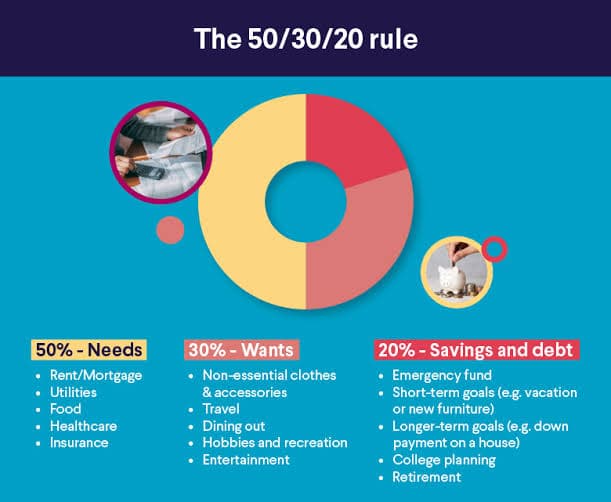
How the 50 30 20 Budget Rule Works:
| Category | Percentage | Examples |
| Needs | 50% | Housing, basic utilities, transportation, groceries, minimum debt payments |
| Wants | 30% | Dining out, vacations, streaming services, shopping, concert tickets |
| Savings & Debt | 20% | Emergency fund, retirement accounts, extra principal payments on high-interest debt |
Example Breakdown on a $4,000 Net Monthly Income:
-
- $2,000 for Needs (50%): Rent ($1,200), Utilities ($200), Groceries ($400), Car Insurance ($200).
-
- $1,200 for Wants (30%): Restaurants ($300), Weekend trips ($400), Subscriptions & Entertainment ($500).
-
- $800 for Savings/Debt (20%): High-yield emergency fund ($500), Extra credit card payment ($300).
Applying the 50 30 20 budget rule keeps your baseline essentials covered while still leaving breathing room for fun and wealth creation.
Learn more about automating this system with this video breakdown:
Step 4: Choose the Best Monthly Budget Template or Method
There is no one-size-fits-all approach to financial management. The key to learning how to build a monthly budget successfully is selecting a tool you will stick with every single week.
Popular Budgeting Frameworks:
-
- Zero-Based Budgeting:
-
- How it works: Income minus expenses equals zero. Every dollar is assigned a job (rent, savings, groceries) until no unallocated money remains.
-
- Best for: People who want maximum control over every penny.
-
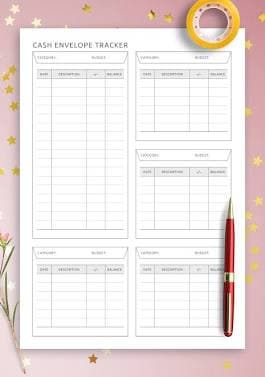
- The Envelope System:
-
- How it works: You withdraw cash for variable categories (like groceries or entertainment) and divide it into physical envelopes. When the envelope is empty, spending stops for the month.
-
- Best for: Tactile spenders struggling with overspending on credit cards.
-
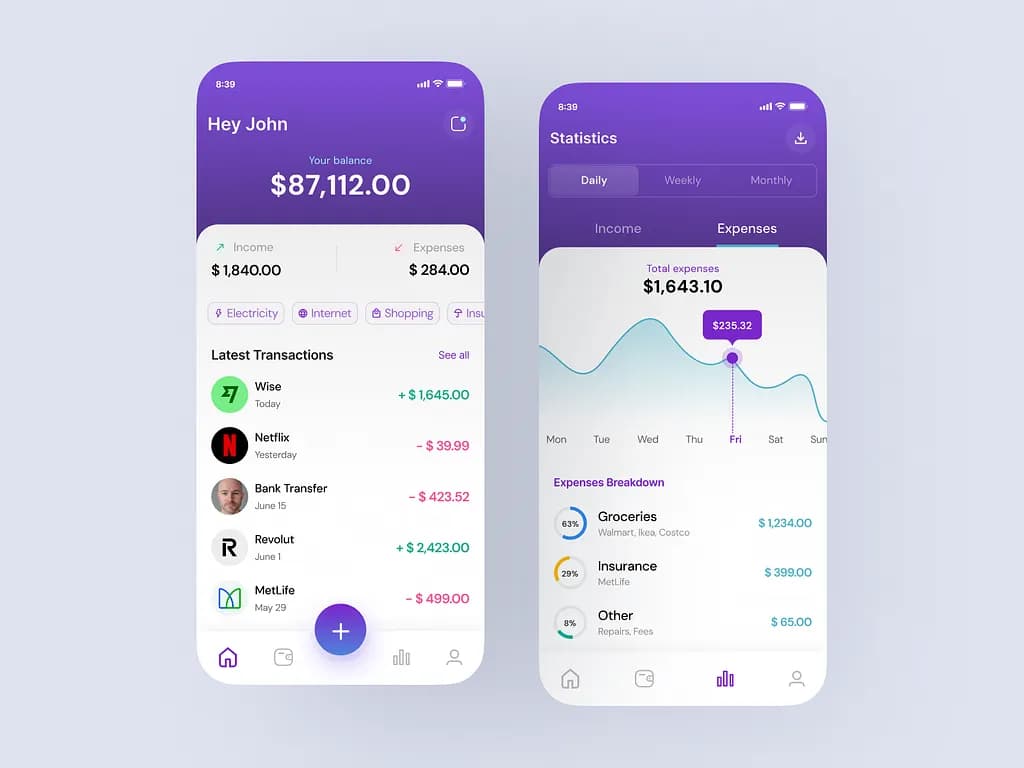
- Digital Budgeting Apps:
-
- How it works: Software automatically syncs with your accounts to categorize purchases and generate spending graphs in real time.
-
- Best for: Tech-savvy individuals who prefer automated tracking on their smartphones.
-
- Spreadsheet Trackers:
-
- How it works: You customize a Google Sheets or Excel document using the best monthly budget template options available online.
-
- Best for: Minimalists who want complete control over their privacy and layout without app subscription fees.
Step 5: Build an Emergency Fund for Long-Term Safety
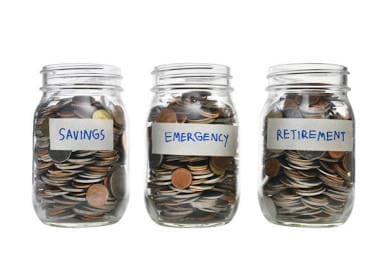
A critical pillar of personal finance & budgeting is protecting yourself against life’s unexpected surprises. A job loss, car repair, or sudden medical bill can disrupt a budget if you don’t have a safety buffer.
How to Build Your Safety Cushion:
-
- Starter Goal: Aim for $1,000 in a high-yield savings account as quickly as possible.
-
- Full Emergency Cushion: Gradually build up 3 to 6 months’ worth of living expenses (focusing on your “Needs” category).
-
- Where to Store It: Keep these funds separate from your daily checking account in an accessible, interest-bearing online account so it continues growing without risk.
Step 6: Review, Adjust, and Stay Consistent
Creating a budget is not a one-time event; it is an ongoing practice. Your spending habits, priorities, and income will shift over time, which means your numbers must adjust accordingly.
Monthly Budget Check-In Checklist:
-
- Weekly Review (10 mins): Log recent purchases, check account balances, and ensure you haven’t overspent in variable categories.
-
- Month-End Audit (20 mins): Compare your actual spending against your planned targets. Did you go over on groceries? Reallocate unused money from another category to balance the sheet.
-
- Adjust for Seasonal Expenses: Account for upcoming holidays, birth dates, annual insurance premiums, or summer vacations well in advance.
Key Takeaways: Mastering Budgeting for Beginners
To wrap up your learning journey on how to build a monthly budget, keep these essential guidelines in mind:
-
- Focus on Net Income: Build your financial plan around what you actually bring home after taxes.
-
- Apply Structure: Use the 50 30 20 budget rule to balance needs, wants, and long-term security effortlessly.
-
- Select Your Tools: Find the best monthly budget template or app that aligns with your lifestyle preferences.
-
- Prioritize Savings: Treat your emergency fund and retirement contributions as non-negotiable monthly expenses.
-
- Practice Patience: It usually takes two to three months of practice before a new budget feels smooth and natural.
Conclusion
Mastering personal finance & budgeting is a continuous journey rather than a quick fix. By understanding how to build a monthly budget, evaluating your true expenses, applying the 50 30 20 budget rule, and using the best monthly budget template for your workflow, you take full ownership of your financial destination.
Effective budgeting for beginners is not about restricting your lifestyle—it is about directing your resources toward what truly matters to you. Open a blank spreadsheet or grab a notebook today, list your take-home income, and assign every dollar a purpose!